
Nigeria vs Ghana vs Senegal jollof rice
The three-way verdict: origin, fragrance, and smoke.
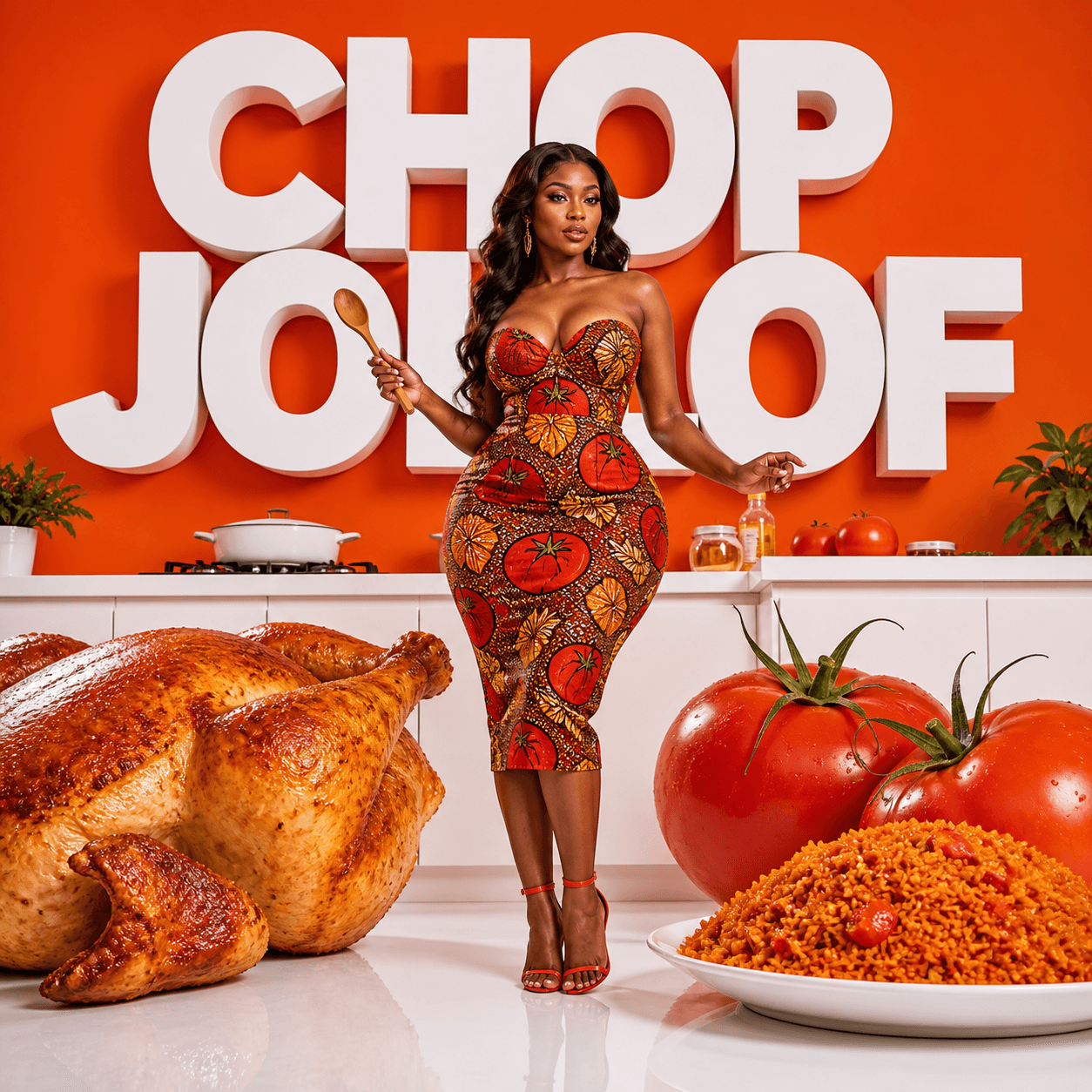
Senegal has the oldest version (thieboudienne). Ghana has the most fragrant version (basmati with warm spices and brown butter). Nigeria has the most globally famous version (long-grain parboiled, scotch bonnet, smoke crust). All three are correct. All three are different dishes. Senegal is the ancestor; Ghana and Nigeria are its children; neither child is better than the other.
Side by side
The comparison
Technique
Base reduction, sealed cook, smoke crust
Watch out: Can overwhelm with smoke
Base reduction, sealed cook, brown butter
Watch out: Can be too mild for scotch-bonnet lovers
The verdict
Senegal wins on origin. Ghana wins on aroma. Nigeria wins on smoke and volume. All three win among their own people.
The three-way comparison is more useful than the two-way Nigeria vs Ghana debate because it includes the ancestor. When you compare Nigerian and Ghanaian jollof without including Senegal, you are comparing two children without acknowledging the parent. Thieboudienne predates both. Both Nigerian and Ghanaian jollof are equally far from the original — they are siblings, not rivals.
Read each country in full
Questions
Which country makes the best jollof rice in West Africa?
There is no objective answer. Senegal makes the oldest version (thieboudienne). Nigeria makes the most globally famous version. Ghana makes the most fragrant version. The "best" is whichever version you grew up eating. The honest comparison shows three different dishes with three different goals — each version is the best at what it is designed to do.
Why do Nigeria and Ghana argue about jollof rice?
The Nigeria-Ghana jollof debate became an internet phenomenon around 2014-2016, amplified by food bloggers and social media. Both countries have large diaspora communities that carried the debate online. The argument is partly genuine culinary pride, partly good-natured rivalry between two countries with a long history of friendly competition, and partly marketing — food brands and restaurants found the debate useful for engagement. The actual dishes are different enough that a direct "which is better" comparison misses the point.