
Nigeria vs Ghana jollof rice
Long-grain smoke vs basmati perfume. The eternal debate, settled once (it will not stay settled).
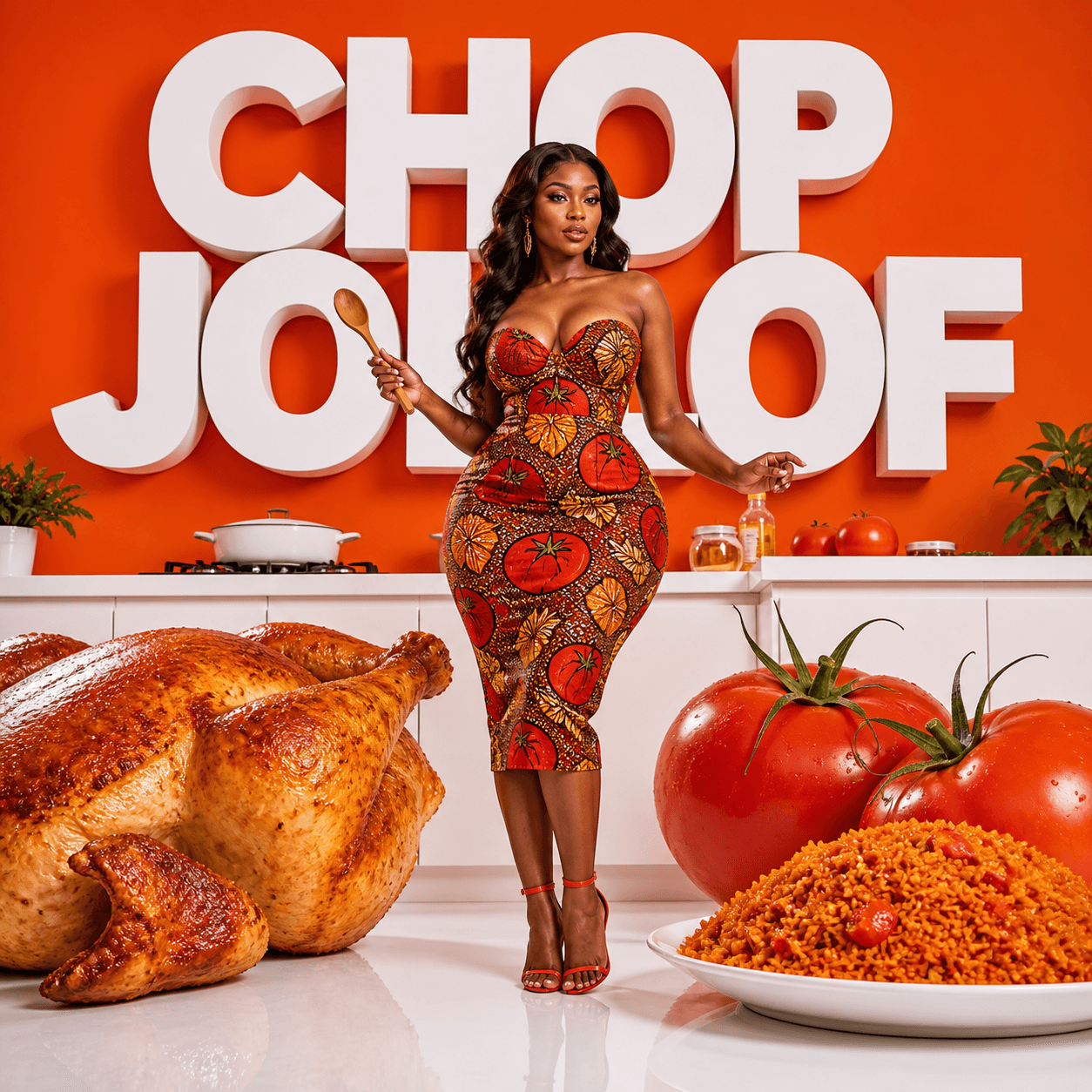
Nigerian jollof uses long-grain parboiled rice, scotch bonnet heat, and always targets a smoky bottom crust. Ghanaian jollof uses basmati, is more aromatic with warm spices (nutmeg, cinnamon), and is often finished with brown butter. Nigerian jollof is more intense; Ghanaian jollof is more fragrant. Both are correct. Neither is the original — that belongs to Senegal.
Side by side
The comparison
Technique
Base reduced to oil separation, sealed cook, intentional crust
Watch out: Can be too oily if the base is not drained; crust can become a full burn
Base reduction, sealed cook, optional brown butter finish
Watch out: Basmati can become mushy if overcooked; less smoke depth
The verdict
Two correct answers to the same question. Nigerian jollof is smoke and intensity. Ghanaian jollof is fragrance and refinement. Pick the one your grandmother makes.
The "jollof wars" framing is marketing — the debate generates attention and both countries know it. What is real is the difference. Nigerian party jollof is built around a specific experience: the smoke, the heat, the sticky base, the crust. Ghanaian jollof is built around a different experience: the aroma that fills the room when basmati absorbs a spiced butter. These are not competing versions of the same dish. They are different dishes that share a name and a lineage. The lineage is Senegalese. The two Nigerian and Ghanaian versions are equally far from the original.
Read each country in full
Questions
Is Nigerian or Ghanaian jollof better?
Neither is objectively better — they are different dishes with different goals. Nigerian jollof aims for smoke, heat, and intensity. Ghanaian jollof aims for fragrance, warmth, and a fluffy texture. Both achieve their goals well. Which you prefer depends entirely on what you grew up eating.
What rice does Nigerian jollof use vs Ghanaian?
Nigerian jollof uses long-grain parboiled rice, which holds its shape under the long sealed cook and absorbs more flavour without becoming mushy. Ghanaian jollof uses basmati, which is more aromatic and cooks to separate, fluffy grains.
What do Nigerians put in jollof rice that Ghanaians don't?
The most significant difference is crayfish powder. Nigerian jollof almost always contains ground crayfish in the base — this adds deep umami and is one of the defining flavours of the dish. Ghanaian jollof rarely uses crayfish. Nigeria also uses scotch bonnet at a higher quantity, while Ghana uses more warm spices like nutmeg and cinnamon.
Which jollof rice is more popular internationally?
Nigerian jollof is more widely known globally due to Nigeria's larger diaspora population and the country's social media presence. The "jollof wars" debate, which was largely Nigeria vs Ghana, brought both countries' versions to international attention. However, Senegalese thieboudienne — the oldest form of jollof — has been recognised by UNESCO as a cultural heritage element.
What is the secret ingredient in Nigerian jollof vs Ghanaian?
Nigerian jollof's secret is crayfish powder plus the intentional smoke crust. Ghanaian jollof's secret is the basmati-to-warm-spice ratio and the brown butter finish. Different secrets, different results.