
Ghanaian jollof vs Nigerian jollof
The eternal debate, summarised once and for all (it will not end).
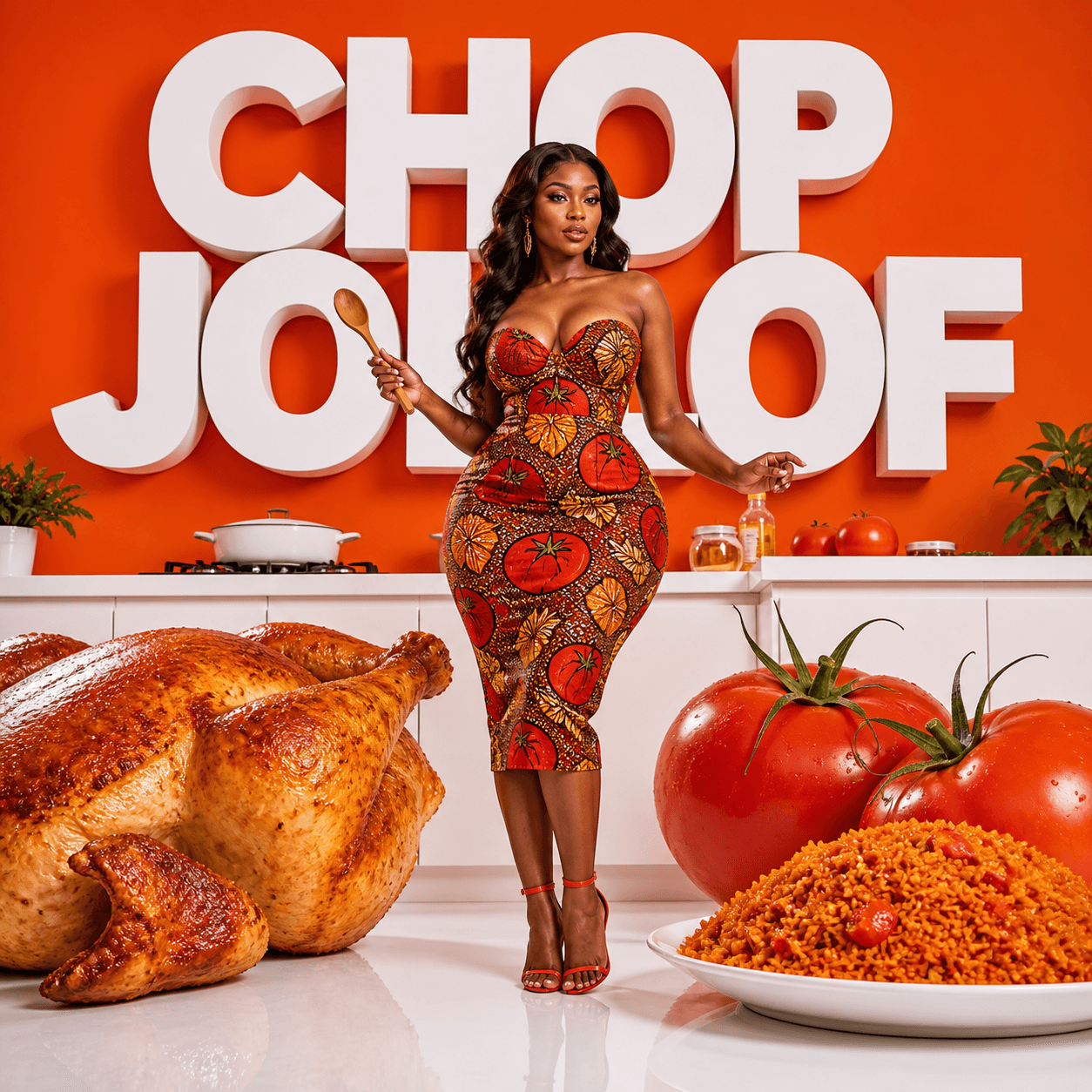
Ghanaian jollof vs Nigerian jollof: The eternal debate, summarised once and for all (it will not end). Both are correct. Both are loved. Pick the one your grandmother makes.
Side by side
| Aspect | Ghanaian jollof | Nigerian jollof |
|---|---|---|
| Rice | Basmati | Long-grain parboiled |
| Heat | Lower; warm spices | Higher; scotch bonnet forward |
| Finish | Brown butter (sometimes) | Smoke crust always |
| Texture | Fluffy, perfumed | Slightly heavier, smoke-laced |
Why people confuse ghanaian jollof and nigerian jollof
This is not a confusion — it is a deliberate argument. Both countries know exactly what they are doing. The debate, known as the Jollof Wars, has run on social media for over a decade and has escalated to celebrity chefs, food festivals, and diplomatic-level jokes between the two countries. The underlying point is pride: both Nigerians and Ghanaians believe their version is better, and both have legitimate grounds. Outsiders who wander into this debate are advised to have strong opinions and a fast exit.
How ghanaian jollof and nigerian jollof are cooked differently
The rice choice drives most of the other differences. Basmati is long-grain but low in starch, which produces a fluffy, separate-grain result. Long-grain parboiled (the Nigerian standard) is partially pre-cooked and has a firmer structure that absorbs liquid more slowly. Ghanaian jollof benefits from brown butter folded through at the end, which a parboiled-rice jollof would not need. Nigerian jollof benefits from the heavier parboiled rice grain holding up during the low-heat smoke stage — basmati would over-absorb at the same conditions. Both cooks are making the right choice for their chosen rice.
Origin and history
Both share the same roots in the Senegambian thieboudienne tradition.
Our verdict
Both are correct. Both are loved. Pick the one your grandmother makes.
Frequently asked
What is the difference between ghanaian jollof and nigerian jollof?
The eternal debate, summarised once and for all (it will not end). The rice choice drives most of the other differences.
Which is older, ghanaian jollof or nigerian jollof?
Both share the same roots in the Senegambian thieboudienne tradition.
Why do people confuse ghanaian jollof and nigerian jollof?
This is not a confusion — it is a deliberate argument. Both countries know exactly what they are doing. The debate, known as the Jollof Wars, has run on social media for over a decade and has escalated to celebrity chefs, food festivals, and diplomatic-level jokes between the two countries. The underlying point is pride: both Nigerians and Ghanaians believe their version is better, and both have legitimate grounds. Outsiders who wander into this debate are advised to have strong opinions and a fast exit.
How are ghanaian jollof and nigerian jollof cooked differently?
The rice choice drives most of the other differences. Basmati is long-grain but low in starch, which produces a fluffy, separate-grain result. Long-grain parboiled (the Nigerian standard) is partially pre-cooked and has a firmer structure that absorbs liquid more slowly. Ghanaian jollof benefits from brown butter folded through at the end, which a parboiled-rice jollof would not need. Nigerian jollof benefits from the heavier parboiled rice grain holding up during the low-heat smoke stage — basmati would over-absorb at the same conditions. Both cooks are making the right choice for their chosen rice.
Which should I cook first?
Both are correct. Both are loved. Pick the one your grandmother makes.