
Jollof rice vs Jambalaya
A West African one-pot tomato-rice vs. its Creole cousin.
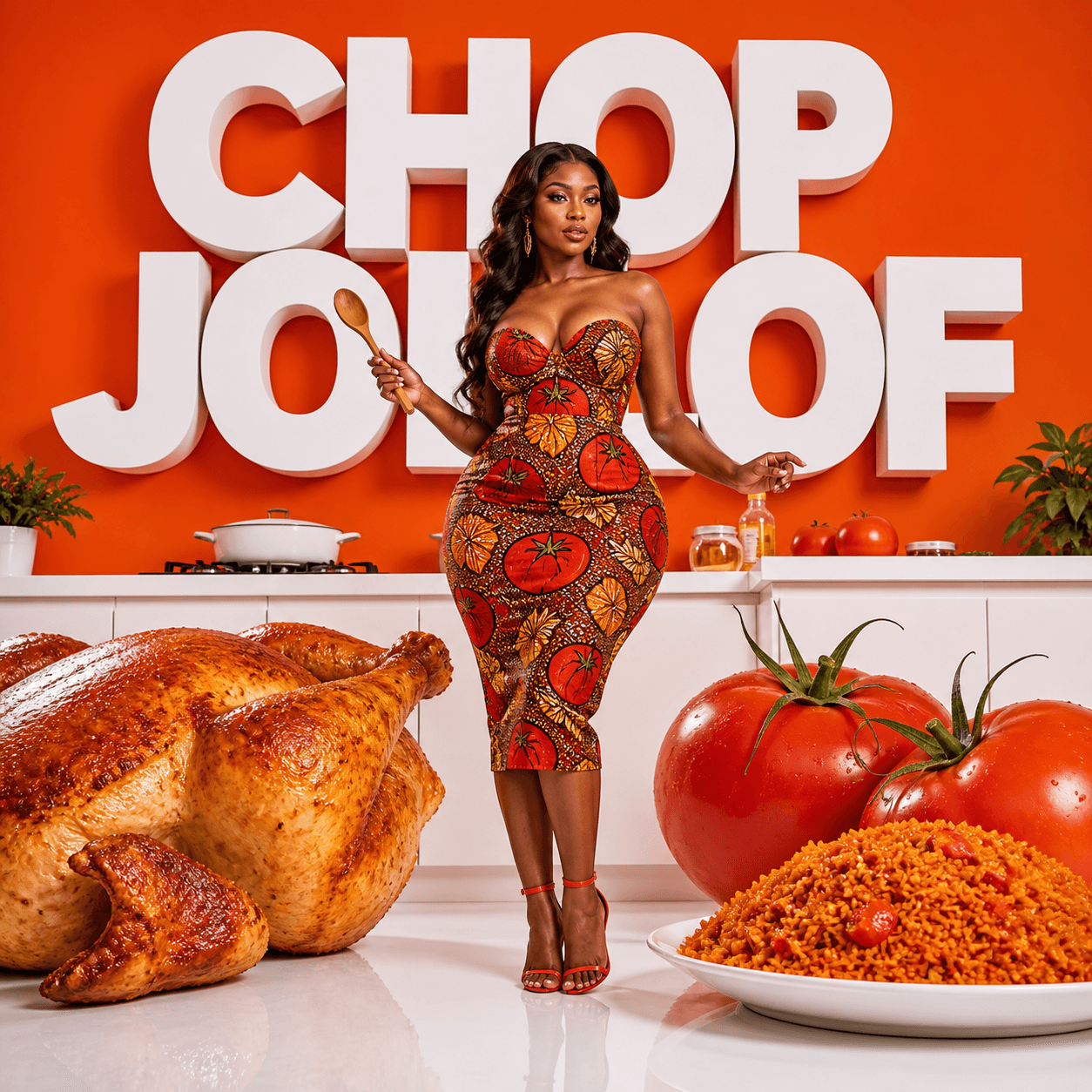
Jollof rice vs Jambalaya: A West African one-pot tomato-rice vs. its Creole cousin. Same family, different soundtracks. Jambalaya is the Louisiana grandchild of the same one-pot rice ancestry.
Side by side
| Aspect | Jollof rice | Jambalaya |
|---|---|---|
| Rice | Long-grain parboiled | Long-grain or medium-grain |
| Base | Tomato + scotch bonnet | Holy trinity (onion, celery, bell pepper) + tomato |
| Heat source | Scotch bonnet | Cayenne / paprika |
| Smoke | Bottom-of-pot crust | Andouille sausage |
| Crust | Yes (intentional) | No (would be a fault) |
Why people confuse jollof rice and jambalaya
Both are red one-pot rice dishes. Both involve tomato, pepper, and a protein cooked together. Seen from above in a pot, they are nearly identical. The difference shows up in the spice profile (scotch bonnet is far more aggressive than Louisiana-style cayenne) and in the cultural context — jollof is a centerpiece dish; jambalaya is almost always a side or a component of a larger spread. Anyone who has eaten both knows the difference immediately. Anyone who has only seen a photo might reasonably mix them up.
How jollof rice and jambalaya are cooked differently
Both start with fat, aromatics, and tomato — but the branching point is the smoke. Jollof gets its smokiness from the bottom-of-pot crust formed by low heat and a sealed lid. Jambalaya gets its smoke from Andouille sausage, which is smoked before it enters the pot. The jollof cook is watching for the right amount of bottom scorch; the jambalaya cook never wants a scorch at all. Otherwise the mechanics are surprisingly similar: bloom the aromatics, add tomato, reduce, add liquid and rice, cook covered without stirring.
Origin and history
Both descend from the same African one-pot rice tradition. Jambalaya developed in Louisiana via West African enslaved cooks who carried the technique across the Atlantic.
Our verdict
Same family, different soundtracks. Jambalaya is the Louisiana grandchild of the same one-pot rice ancestry.
Frequently asked
What is the difference between jollof rice and jambalaya?
A West African one-pot tomato-rice vs. its Creole cousin. Both start with fat, aromatics, and tomato — but the branching point is the smoke.
Which is older, jollof rice or jambalaya?
Both descend from the same African one-pot rice tradition. Jambalaya developed in Louisiana via West African enslaved cooks who carried the technique across the Atlantic.
Why do people confuse jollof rice and jambalaya?
Both are red one-pot rice dishes. Both involve tomato, pepper, and a protein cooked together. Seen from above in a pot, they are nearly identical. The difference shows up in the spice profile (scotch bonnet is far more aggressive than Louisiana-style cayenne) and in the cultural context — jollof is a centerpiece dish; jambalaya is almost always a side or a component of a larger spread. Anyone who has eaten both knows the difference immediately. Anyone who has only seen a photo might reasonably mix them up.
How are jollof rice and jambalaya cooked differently?
Both start with fat, aromatics, and tomato — but the branching point is the smoke. Jollof gets its smokiness from the bottom-of-pot crust formed by low heat and a sealed lid. Jambalaya gets its smoke from Andouille sausage, which is smoked before it enters the pot. The jollof cook is watching for the right amount of bottom scorch; the jambalaya cook never wants a scorch at all. Otherwise the mechanics are surprisingly similar: bloom the aromatics, add tomato, reduce, add liquid and rice, cook covered without stirring.
Which should I cook first?
Same family, different soundtracks. Jambalaya is the Louisiana grandchild of the same one-pot rice ancestry.