
Diabetic-friendly jollof rice
A version that respects glycemic load without losing the soul of the dish.
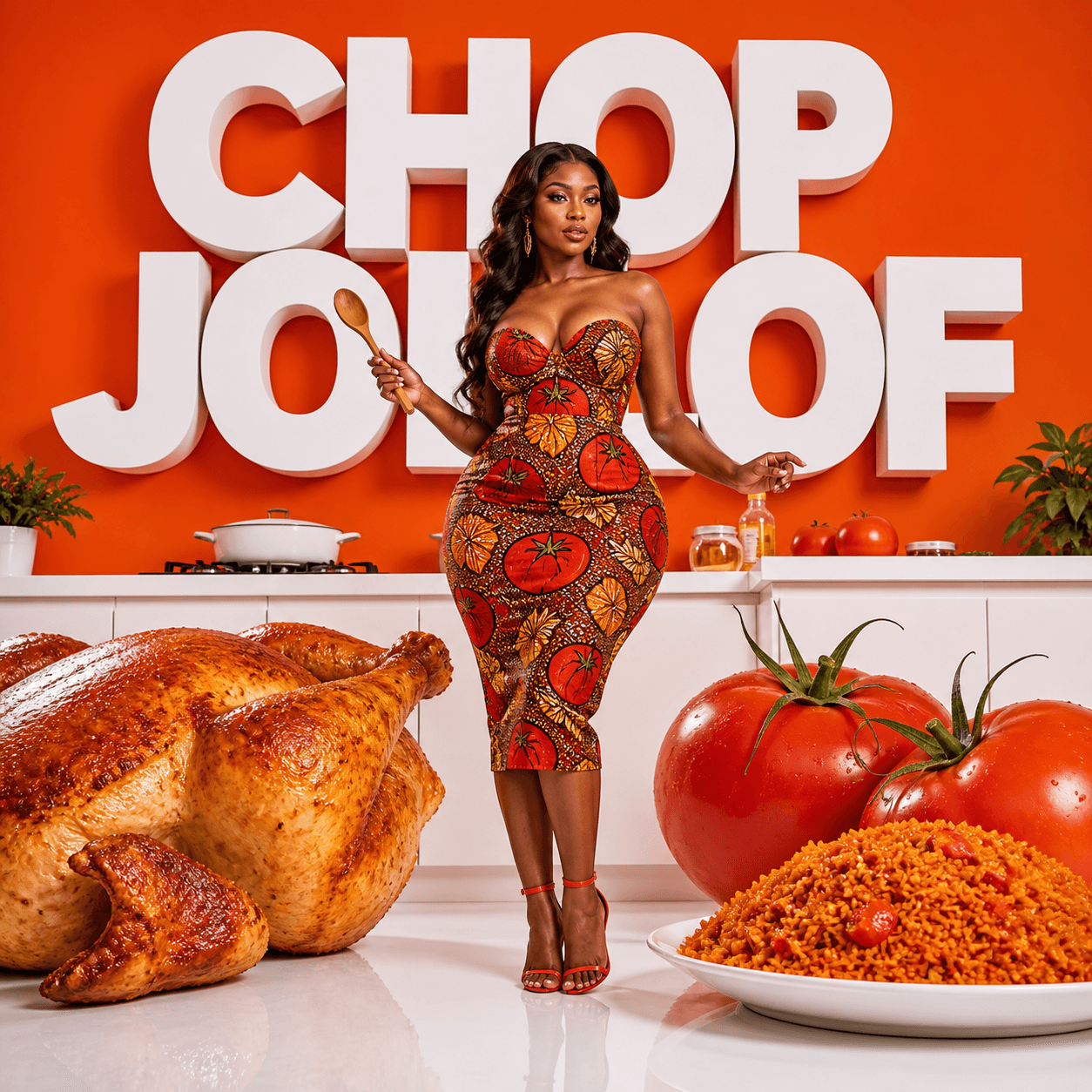
Diabetic-friendly jollof rice: Glycemic index ~50 with brown rice. 290 kcal per serving. White parboiled rice has a glycemic index of around 55-65.
At a glance
Why diabetic-friendly jollof rice works
White parboiled rice has a glycemic index of around 55-65. Brown basmati has a GI of around 45-50. The difference is the fiber in the bran layer, which slows glucose absorption. For the tomato base, using fresh tomatoes rather than concentrated tomato paste significantly reduces the sugar load — tomato paste is reduced by 5x, meaning its sugar is also 5x concentrated. These two changes lower the glycemic load per serving considerably while keeping the flavor profile of the dish largely intact.
Substitutions
These are the ingredient changes that make this adaptation work. Each swap is chosen for flavor compatibility, not just dietary compliance.
How to make diabetic-friendly jollof rice
Soak brown basmati for 30 minutes before cooking — this reduces cook time and prevents the rice from becoming gummy. Use only fresh tomatoes in the base (no paste). Cook the base longer to compensate — 40 minutes of reduction instead of 25. The brown rice takes longer than white — add 20% more stock and check at the 50-minute mark. Serve with a generous portion of beans or leafy greens to further flatten the glycemic response.
How it tastes compared to regular jollof
Brown basmati jollof has a slightly nutty, earthier flavor than white rice jollof and a chewier texture. The color is slightly less vivid because less tomato paste is used. The flavor is good — genuinely — but it is a different eating experience from party jollof.
The one mistake to avoid
Not soaking the brown rice. Unsoaked brown basmati in a jollof pot will still be hard when the outside of the grains have absorbed all the liquid. Soaking for 30 minutes is essential for even cooking.
Watch out for
- ·Pair with high-fiber sides (greens, beans) to flatten the curve.
- ·Monitor portion size — half-cup not full.
Frequently asked
Can you make jollof rice diabetic?
Yes. White parboiled rice has a glycemic index of around 55-65. The key substitutions are: Long-grain white rice replaced with Brown basmati or wild rice blend; Tomato paste (concentrated sugar) replaced with Fresh tomato + roasted red pepper, less paste; Sugary bouillon cubes replaced with Homemade unsalted stock.
How many calories in diabetic-friendly jollof rice?
290 kcal per serving in our tested adaptation. Glycemic index ~50 with brown rice.
What is the most important substitution for diabetic jollof?
The most critical swap is replacing Long-grain white rice with Brown basmati or wild rice blend. Soak brown basmati for 30 minutes before cooking — this reduces cook time and prevents the rice from becoming gummy.
How does diabetic-friendly jollof rice taste compared to regular jollof?
Brown basmati jollof has a slightly nutty, earthier flavor than white rice jollof and a chewier texture. The color is slightly less vivid because less tomato paste is used. The flavor is good — genuinely — but it is a different eating experience from party jollof.
What is the biggest mistake with diabetic jollof?
Not soaking the brown rice. Unsoaked brown basmati in a jollof pot will still be hard when the outside of the grains have absorbed all the liquid. Soaking for 30 minutes is essential for even cooking.