
Baby jollof rice (8 months+)
For introducing jollof flavours to a baby. No salt, no scotch bonnet, no bouillon.
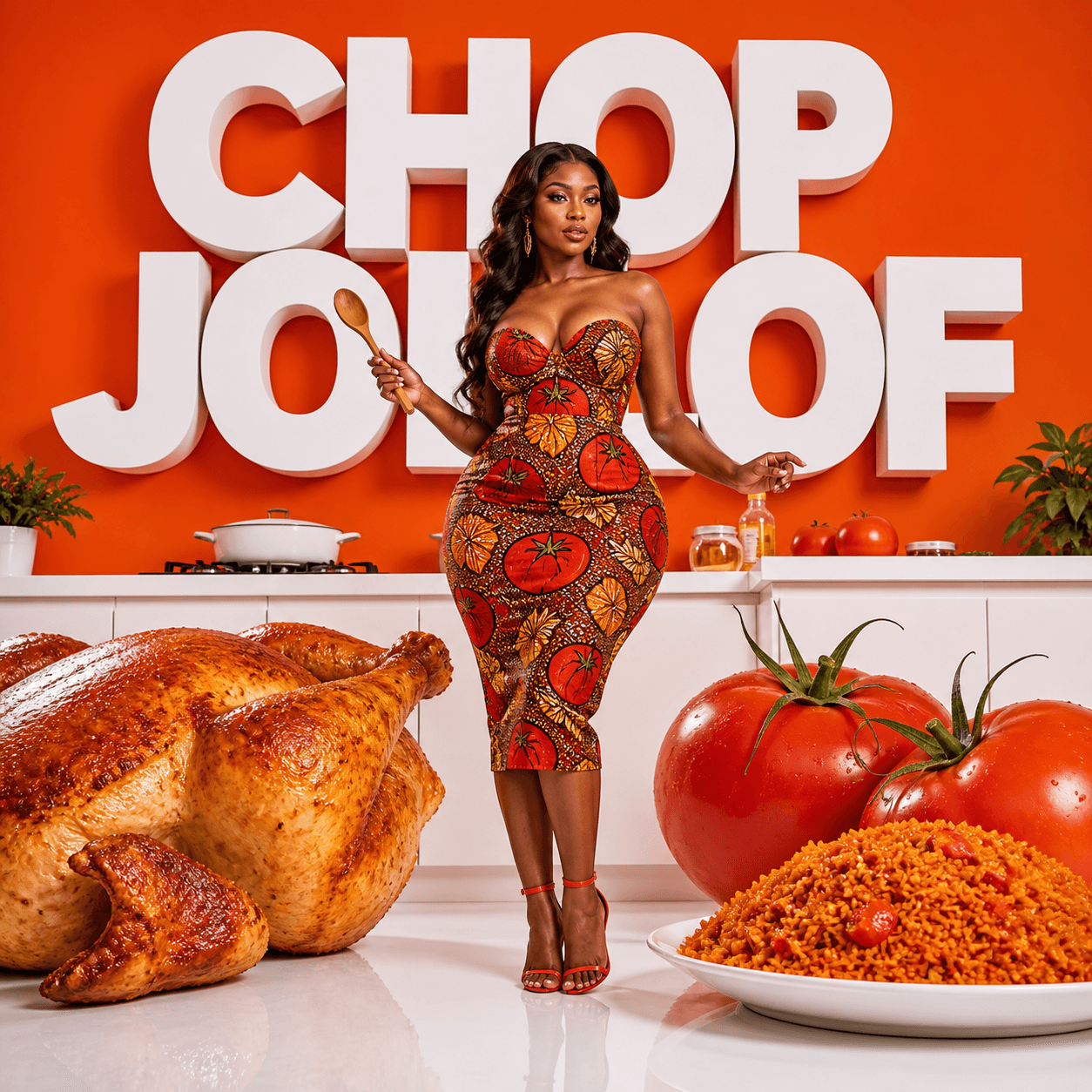
Baby jollof rice (8 months+): Mild, no added salt, finger-food friendly when cooled. 180 kcal per serving. Introducing jollof flavors early builds the palate foundation that West African children develop eating family food.
At a glance
Why baby jollof rice (8 months+) works
Introducing jollof flavors early builds the palate foundation that West African children develop eating family food. The tomato-onion-vegetable base is nutritionally excellent for babies — high in vitamin C, iron, and antioxidants. The adaptation removes salt, chilli, and bouillon (all inappropriate for infants) while preserving the aromatic base of onion, garlic, ginger, and tomato. The result is a genuinely flavorful puree or soft-rice portion that gives babies a real food experience rather than a bland substitute.
Substitutions
These are the ingredient changes that make this adaptation work. Each swap is chosen for flavor compatibility, not just dietary compliance.
How to make baby jollof rice (8 months+)
Blend tomatoes, red bell pepper (no scotch bonnet), onion, and a small amount of garlic together. Cook in a very small amount of vegetable oil for 15 minutes until the raw smell is gone. Add unsalted homemade chicken or vegetable stock and soft-cooked basmati rice. Simmer for 20 minutes. For babies under 12 months, blend the finished dish to a smooth puree. For 12+ months, a slightly textured mash is appropriate.
How it tastes compared to regular jollof
Baby jollof genuinely tastes like jollof to an adult — it is mild but clearly the same dish. The absence of salt is noticeable to adults but invisible to a baby who has not established a salt expectation. The tomato base provides enough natural flavor that no seasoning substitutes are needed.
The one mistake to avoid
Using any form of bouillon or stock cube. Commercial stock cubes — including "baby-friendly" varieties — contain salt levels inappropriate for infants under 12 months. Only homemade unsalted stock is appropriate.
Watch out for
- ·Always check with your paediatrician before introducing new foods.
- ·Skip scotch bonnet entirely until 18+ months.
Frequently asked
Can you make jollof rice baby?
Yes. Introducing jollof flavors early builds the palate foundation that West African children develop eating family food. The key substitutions are: Salt replaced with None — at all; Scotch bonnet replaced with None — substitute red bell for colour only; Bouillon cube replaced with None; Long-grain rice replaced with Soft-cooked basmati or short-grain rice.
How many calories in baby jollof rice (8 months+)?
180 kcal per serving in our tested adaptation. Mild, no added salt, finger-food friendly when cooled.
What is the most important substitution for baby jollof?
The most critical swap is replacing Salt with None — at all. Blend tomatoes, red bell pepper (no scotch bonnet), onion, and a small amount of garlic together.
How does baby jollof rice (8 months+) taste compared to regular jollof?
Baby jollof genuinely tastes like jollof to an adult — it is mild but clearly the same dish. The absence of salt is noticeable to adults but invisible to a baby who has not established a salt expectation. The tomato base provides enough natural flavor that no seasoning substitutes are needed.
What is the biggest mistake with baby jollof?
Using any form of bouillon or stock cube. Commercial stock cubes — including "baby-friendly" varieties — contain salt levels inappropriate for infants under 12 months. Only homemade unsalted stock is appropriate.